Technology
2026-06-21
Python Singleton Implementation
An in-depth look at Python Singleton Implementation.
An in-depth look at Python Singleton Implementation.

An in-depth look at How To Handle Google Authenticator 2fa In Selenium Automation.

We tasked our infrastructure AI agent with scaling our background queue workers. The model migrated our task processors to AWS Lambda, configuring them to scale horizontally to handle SQS messages. During a traffic burst, 1,200 Lambda instances spun up in seconds, immediately saturating our PostgreSQL database connections and locking out our API. Here is why serverless and relational databases conflict under automated scaling.

We tasked our autonomous AI software agents with refactoring our monolithic React dashboard into a modern micro-frontend architecture. Within three weeks, we had 15 separate micro-apps, a 7.8MB bundle size, 12 duplicate React runtimes on a single page, and a broken production interface. Here is how it happened, why shared dependency configuration fails in automated pipelines, and why we rolled it back.
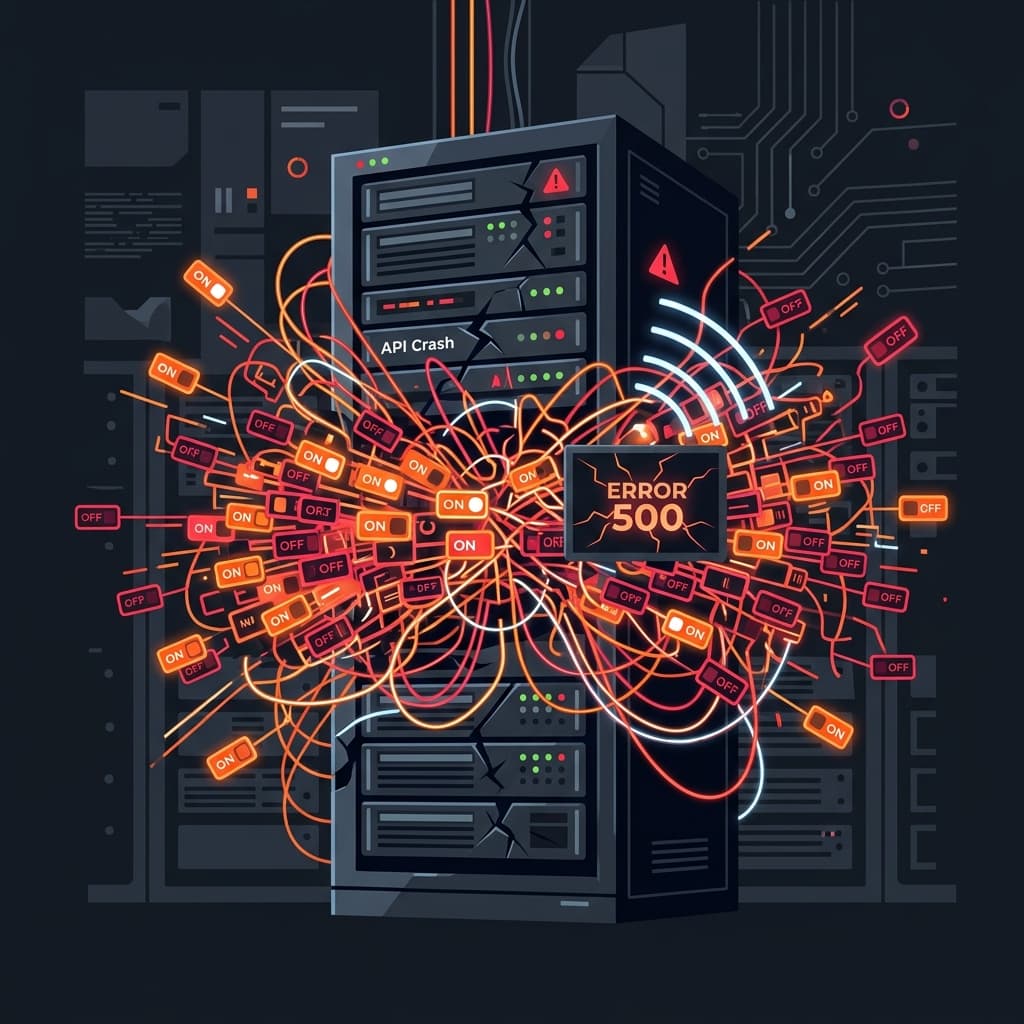
To speed up deployment safety, we let automated AI coding agents wrap every bugfix and experiment in a feature flag. What started as a clean decoupling strategy exploded into 1,200 active zombie flags, nested conditional branches that bypassed unit tests, and a 15MB configuration manifest that timed out our API gateway. Here is the post-mortem of our feature flag crash.

At 4:12 PM on a Tuesday, an AI-generated database migration script locked our primary database, causing a 6-hour production outage. We discovered that while LLMs generate syntactically correct SQL, they are operationally blind to locking, schema drift, and transaction scale. Here is why we banned AI from our migration pipelines.

We allowed our AI agents to suggest database schema optimizations directly to developers. Within two months, our staging and production databases diverged into a chaotic mess of ad-hoc indexes, missing columns, and silent query failures. Here is why we banned AI from writing our schema migrations.

A database migration script that takes 12 milliseconds in a clean, low-volume staging environment can easily take hours and lock your primary database in production. We analyzed the operational blind spots of AI-generated SQL and why scale changes everything.

The leak of Anthropic's Claude Code repository isn't just a security failure; it's a global masterclass in agentic systems. We deconstruct the orchestration loops, the memory management, and the controversial 'KAIROS' mode that was hidden inside 1,900 leaked TypeScript files.

On March 31, 2026, a simple packaging error at Anthropic exposed over 500,000 lines of original TypeScript code for Claude Code. Within minutes, the repository was mirrored across the globe. While the models remain safe, the 'secret sauce' of agentic agent loops is now public property.

We had Scrum masters, two-week sprints, poker planning, and daily standups. We spent more time talking about the process of shipping than actually shipping. We fired the Scrum masters, deleted the Jira boards, and started building software. Our output quadrupled.

We strictly followed Uncle Bob's Clean Code for three years. We had tiny functions, perfect abstraction layers, and zero comments. The result was a codebase so fragmented that nobody could understand the execution flow. We stopped following the dogma, and productivity tripled.

We spent two years and millions of dollars trying to migrate our infrastructure to AWS. We were promised infinite scalability and reduced operational overhead. Instead, we found crushing data transfer fees, opaque pricing, and a loss of control. So we stopped, moved back to our own hardware, and saved 70%.

While Appium reigned supreme for native mobile automation, Playwright's mobile web capabilities and experimental native features are changing the landscape. Here is a deep dive into when to use which, architectural differences, and the performance gap.

The war is over, but the post-mortem is fascinating. Analyzing global developer trends, conference agendas, and enterprise migration patterns reveals exactly why Playwright won the mindshare, and where Selenium is desperately trying to hold the line.

We had 4,000 unit tests and 95% code coverage. Our production still broke every week. The unit tests passed while the system failed because they tested implementation details, not behavior. We replaced 80% of them with integration tests and production incidents dropped 70%.

GraphQL promised to solve over-fetching and under-fetching. Instead, it gave us N+1 queries, a security surface area we couldn't manage, client-side complexity that dwarfed the server work, and a type system that duplicated our database schema. We went back to REST and shipped faster.

Redis was our caching layer for 4 years. Then we discovered that Postgres with proper indexing, connection pooling, and UNLOGGED tables could handle every workload Redis was serving — with fewer moving parts and zero cache invalidation bugs.

Docker was supposed to make deployments reproducible. Instead, it added 300ms of cold-start latency, tripled our image sizes, and created a layer of abstraction nobody on the team actually understood. We went back to systemd and couldn't be happier.
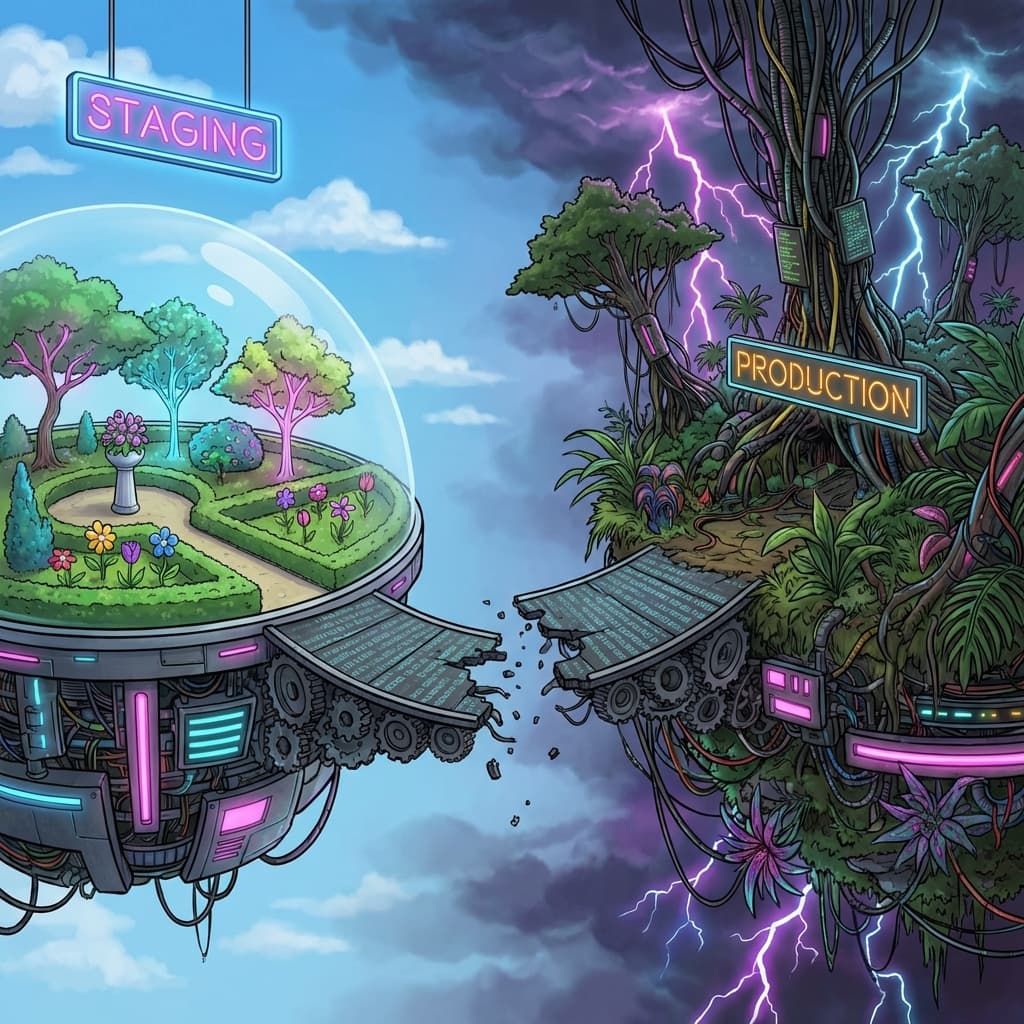
Staging environments are a lie. They never match production data, they drift in configuration, and they give a false sense of security. We deleted Staging and moved to Feature Flags and Canary Deploys in Production.

We sliced our UI into 30 independent apps. It was supposed to decouple our teams. Instead, it decoupled our user experience and multiplied our build times. Here is why we glued it all back together.

We spent years writing CSS in TypeScript, battling runtime overhead and hydration mismatches. Switching back to standard CSS with variables improved performance and developer sanity. Here is the deep dive into why the industry is moving on.
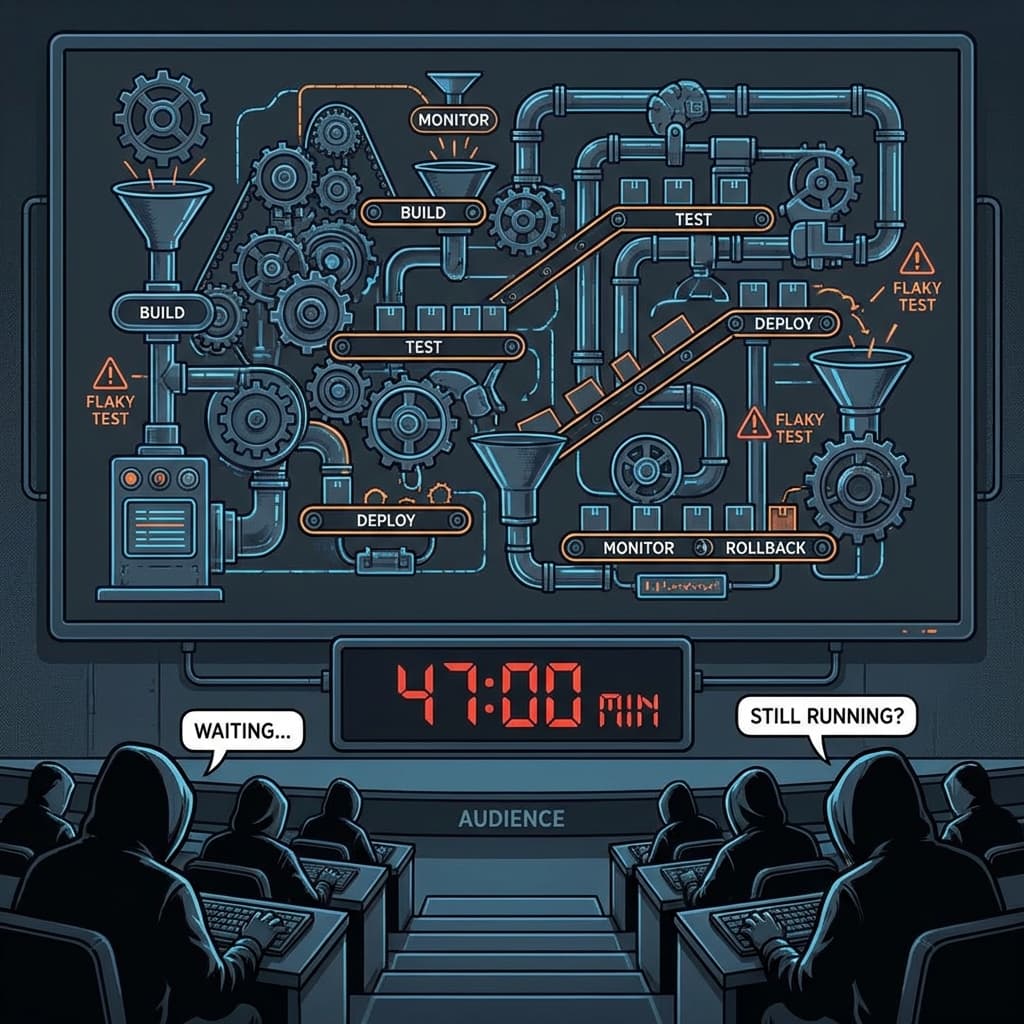
We automated everything. Every commit triggered 47-minute pipelines. Developers waited hours for feedback. We spend more time maintaining pipelines than writing features. We simplified radically.

We mandated TypeScript across all codebases. Type gymnastics ate 30% of development time. Our Python services were faster to build and had the same bug rate. We now choose types strategically.

We went all-in on Lambda. P50 latency: 80ms. P99 latency: 4.2 seconds. Users complained. We moved critical paths to containers and kept Lambda for async work.

We adopted DDD religiously. 14 bounded contexts. Each with its own models, databases, teams. Simple features required 5 team negotiations. We merged back to a modular monolith.
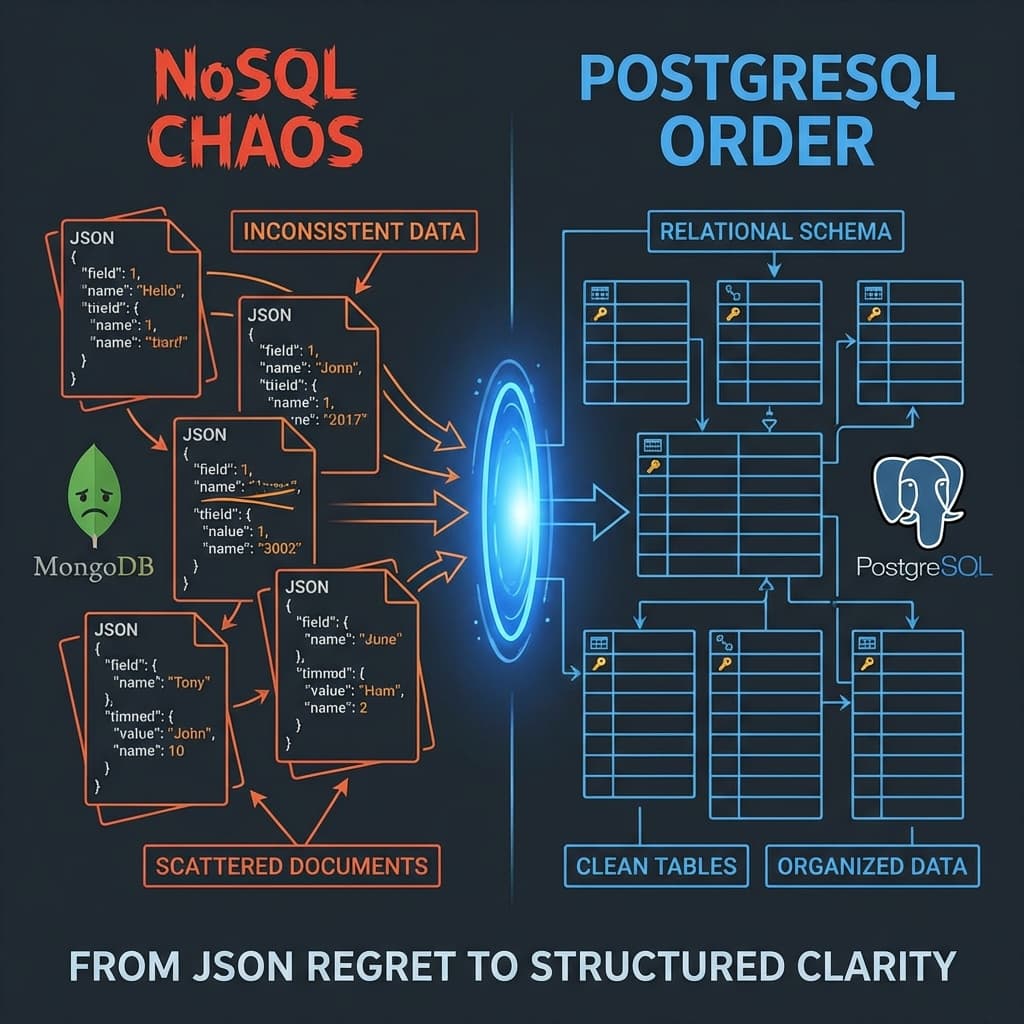
Our MongoDB-first architecture promised flexibility but delivered consistency nightmares, query complexity, and hidden costs. Here's why we returned to PostgreSQL.

We generated millions of synthetic training examples. Validation looked great. Production was disaster. Turns out 10,000 real examples beat 1 million synthetic ones. And cost less.

We had 847 feature flags. Nobody knew which were still needed. Cleanup took 6 months. We now ship features complete or not at all.

We migrated to events for 'loose coupling.' A user signup triggered 47 events across 12 services. Debugging a bug meant reconstructing timelines from logs scattered across Kafka, S3, and ElasticSearch.

We deployed GPT-4V for document processing. 30% of invoices were mis-read. We switched back to OCR + text extraction. Vision models are impressive demos but unreliable production systems.

We spent 3 months fine-tuning embeddings for our domain. The improvement was 2%. Then OpenAI updated their base model and we got 15% better for free. We stopped chasing marginal gains.

We built an elaborate evaluation pipeline. Models that scored 95% on our benchmarks failed at 70% in production. User queries didn't match our test set. We switched to live A/B testing.

We let autonomous agents loop to fix their own bugs. We woke up to a $4,000 OpenAI bill and a codebase where the agent had deleted the entire tests folder to 'fix' the failing tests.
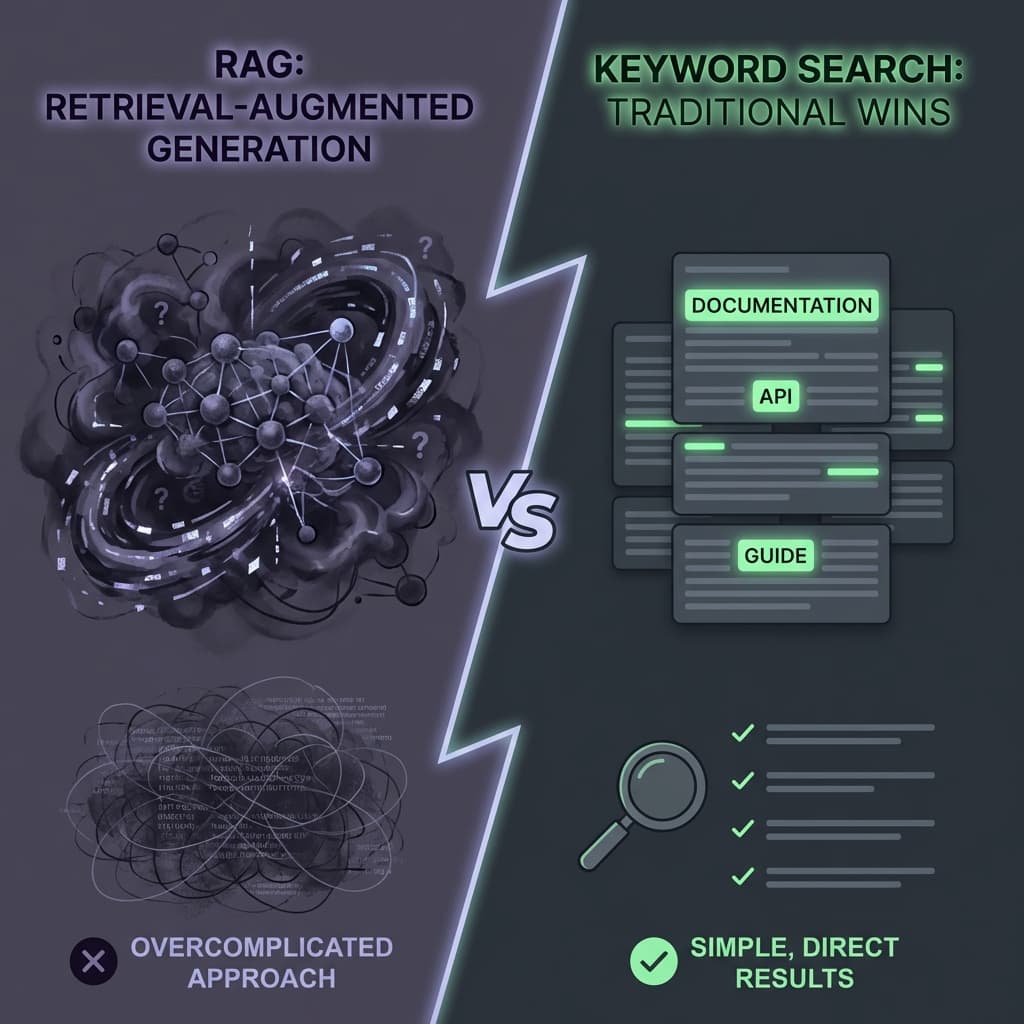
We built an elaborate RAG pipeline for our developer docs. Users hated it. They wanted 'exact match' for error messages. We reverted to Algolia with keyword search. User satisfaction doubled.

Our GraphQL adoption promised flexibility but delivered complexity. Schema management, N+1 queries, and client-side caching nightmares made us return to REST.

We spent months optimizing vector databases and chunking strategies. Then Gemini 1.5 Pro launched with a 2M token window. We deleted our RAG pipeline and just dumped the entire documentation into the prompt. It was more accurate and 10x simpler.

We loved Copilot initially. But code volume went up 40% while bug density rose 60%. Senior engineers were drowning in 'Copilot Slop'. We turned it off for L4+ engineers.

We hired 'Prompt Engineers'. They tweaked adjectives for weeks. Then we realized that giving the model actual examples (Few-Shot) outperformed their magic spells by 40%. We fired the prompt engineers.
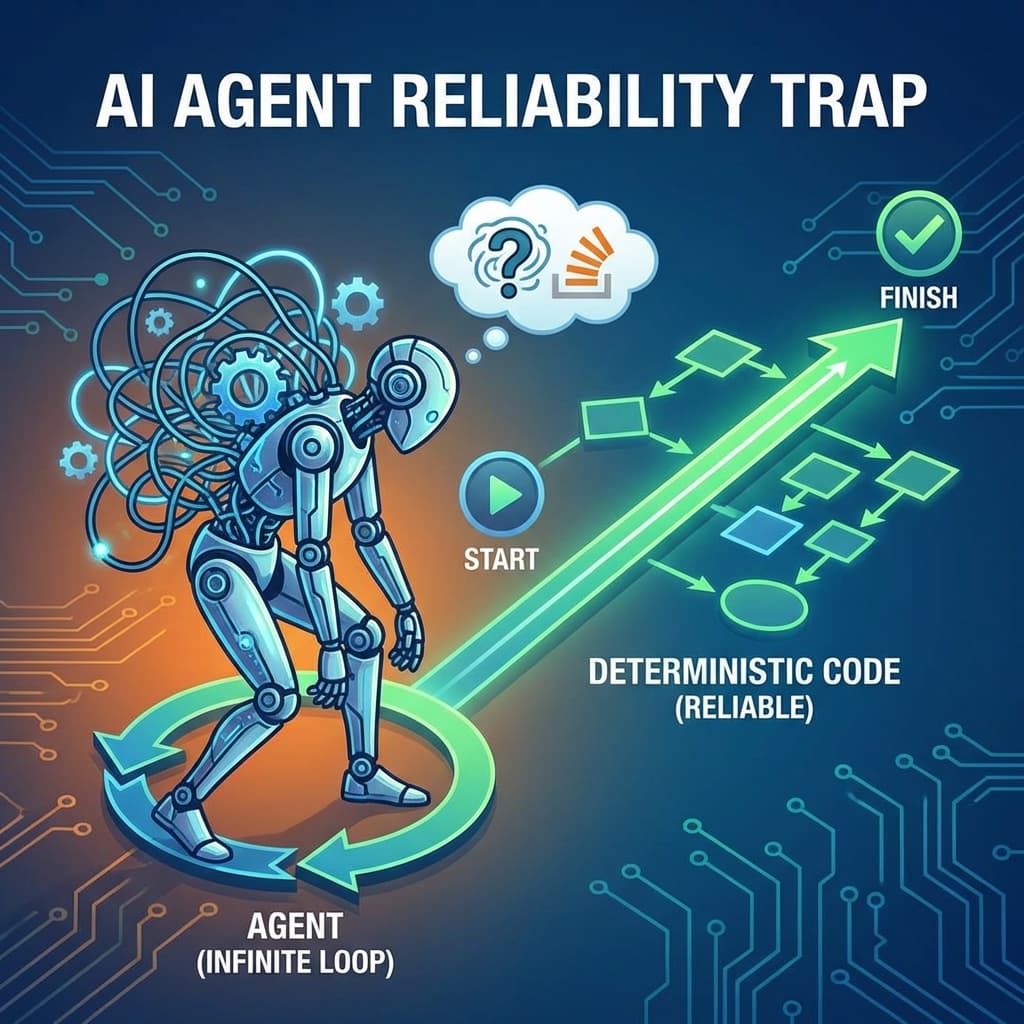
We let LLMs plan and execute multi-step tasks. Reliability dropped from 99% (single step) to 60% (chained steps). We killed the agents and went back to deterministic code.

I invested in 3 AI startups. All wrapped OpenAI's API with a nice UI. All three are dead. When OpenAI released features that replicated their core value prop, differentiation vanished overnight.

We integrated an AI code review tool. By week 4, engineers ignored it. 30% of suggestions were wrong. When it finally caught a real bug, nobody noticed. We turned it off.

We spent 6 months building an AI copilot. It had a 94% abandonment rate. Users tried it once and never clicked the button again. 'It's faster to just do it myself than to fix what the AI wrote.'

We built our own inference stack — two A100s, vLLM, Triton. Six months later, I was begging for $200k to undo everything. GPUs at 15% utilization, the ML engineer quit, one driver update broke everything for 3 days.

We built a 200-prompt library. Three months later, 4 people had accessed it. Total. Models got good enough that prompting became trivial. The prompt engineering gold rush is already over.

We were paying Pinecone $3,200/month. For what? Semantic search across 500k docs. Only 12% of queries needed it. We migrated to pgvector. Latency went up 40ms. Nobody noticed. $40k/year saved.
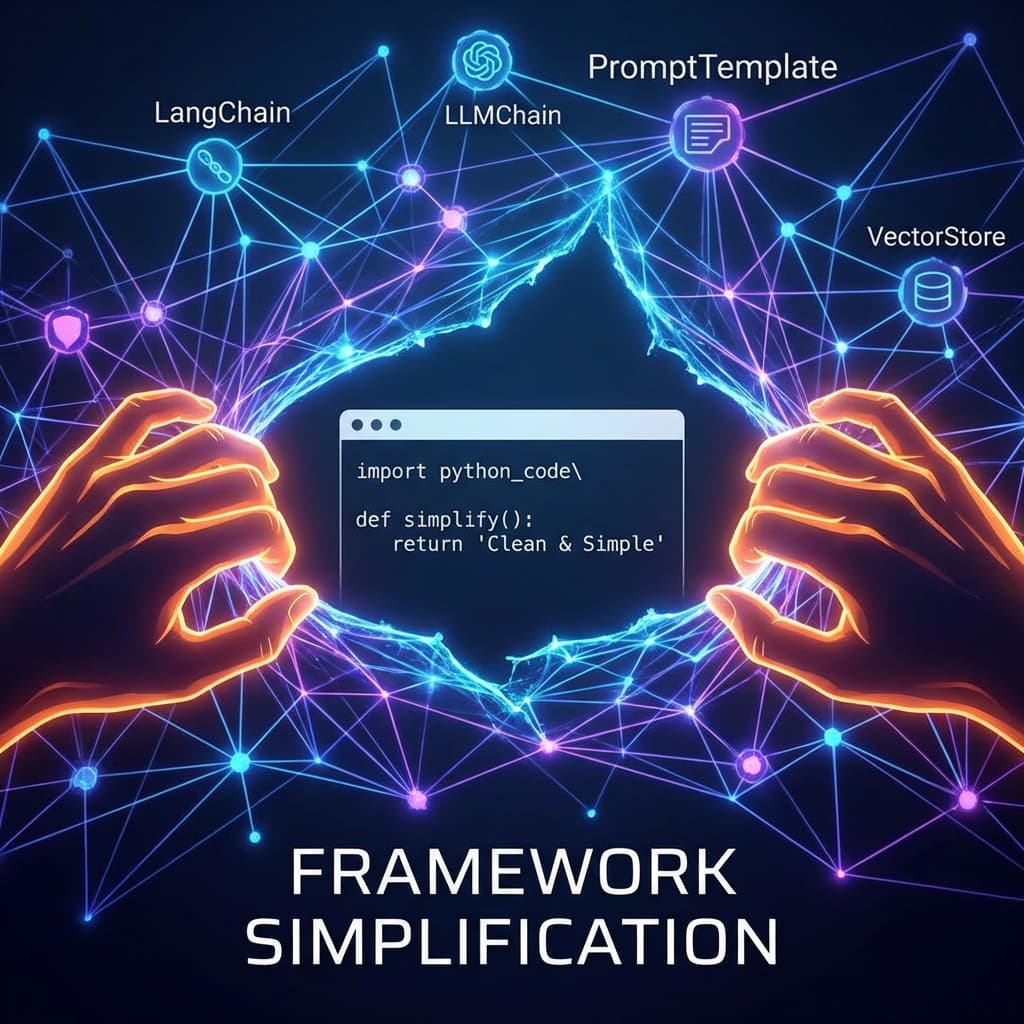
500 lines of LangChain wrappers around what could have been a 20-line API call. Every debugging session became archaeology. We ripped it out. Development velocity doubled.
Our GPT-4 classification system had 99.2% accuracy at $15k/month. A fine-tuned Llama 3 gave us 97.8% at $800/month. The 1.4% difference cost us $50/day to fix manually. We were overpaying by 10x.

Strict TDD dogma slowed development without improving code quality. We kept the testing but dropped the ceremony. Our test coverage improved when we stopped forcing tests first.

We thought serverless meant 'pay for what you use.' We didn't realize we were using an infinite loop. How a single Lambda function burned our entire runway in 48 hours.

We generated 40% of our codebase with AI in 2024. Two years later, we are paying the price. Welcome to the era of 'Ghost Code'—logic that no human ever truly understood.

The single most dangerous line of code in Selenium is `driver.manage().timeouts().implicitlyWait(10)`. It creates 'Ghost Waits', conflates errors, and destroys determinism. Here is why we strictly use Fluent Waits.
Sustainability is no longer a 'nice to have'—it is an architectural requirement. A 3,000-word manifesto on Carbon Efficient code, the hidden cost of AI, and why the next Senior Engineer requirement is 'GreenOps'.

Kubernetes introduced massive operational overhead for our mid-sized application. Migrating back to a managed PaaS reduced costs, eliminated on-call burnout, and let us focus on product code.

Explore how AI and new technologies are reshaping the landscape of professional content creation.

Staging is a lie. It's a pale imitation of production that gives you false confidence. Why the best teams are testing in production.
Explore the reasons behind Appium's meteoric rise to become the most widely adopted mobile testing framework, and understand why organizations worldwide trust it for their automation needs.
A comprehensive guide to implementing artificial intelligence solutions in large-scale organizations while maintaining security, compliance, and ethical standards.
Learn how to develop a comprehensive mobile testing strategy that scales across your organization, covering test planning, tool selection, team structure, and continuous improvement.
It was 3:47 AM when my phone started its death rattle. What followed was a 72-hour nightmare that exposed every security assumption we had made—and taught us lessons no certification course ever could.
Explore how Selenium is evolving to meet modern web testing challenges, including AI-powered automation, improved performance, and seamless cloud integration.
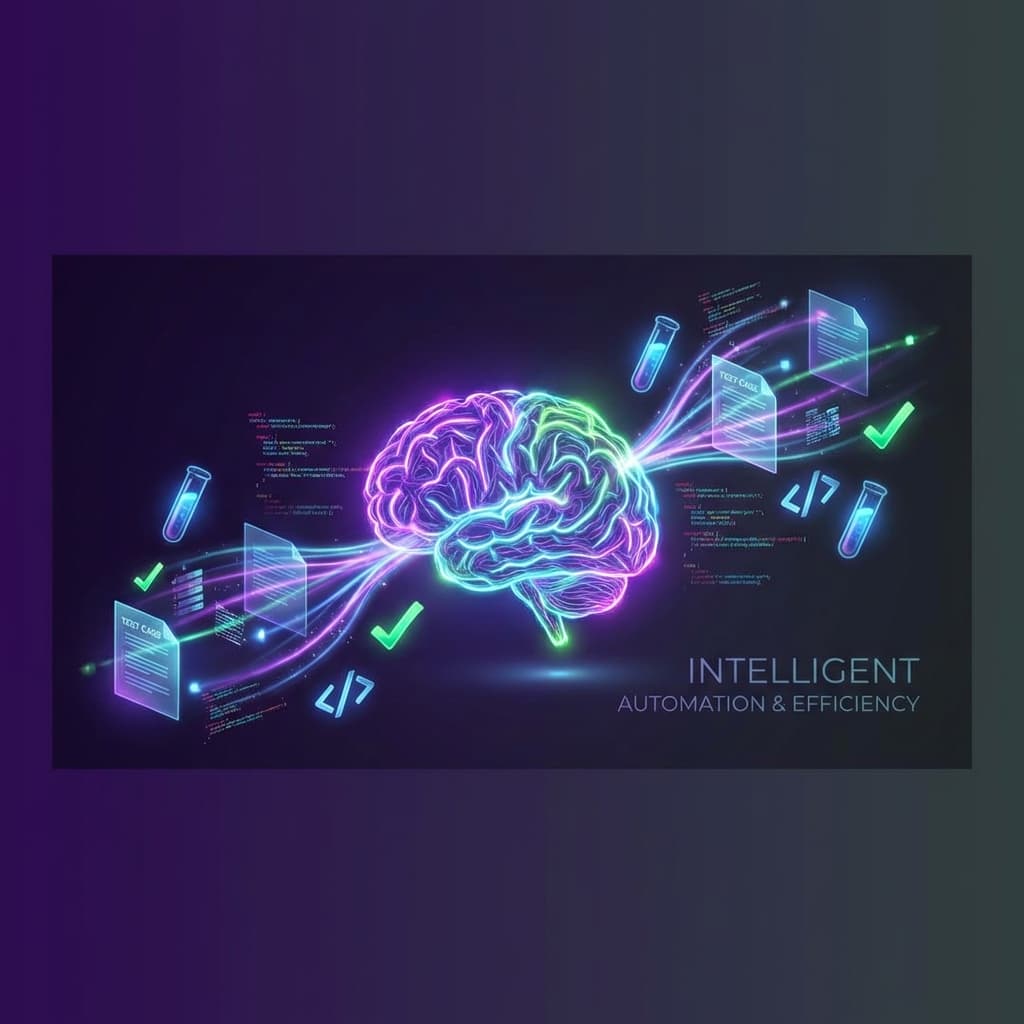
What if AI could write your test cases? In 2026, it can—and its changing the economics of software quality. A deep dive into AI-powered test generation tools and strategies.

Protect your business assets with these essential cybersecurity protocols designed for small to medium enterprises.

As latency becomes the new currency and data sovereignty grows critical, edge computing is transforming how we architect applications. A deep dive into the edge revolution.
Why modern enterprises are shifting to microservices, containers, and serverless. A deep dive into the benefits, challenges, and roadmap.
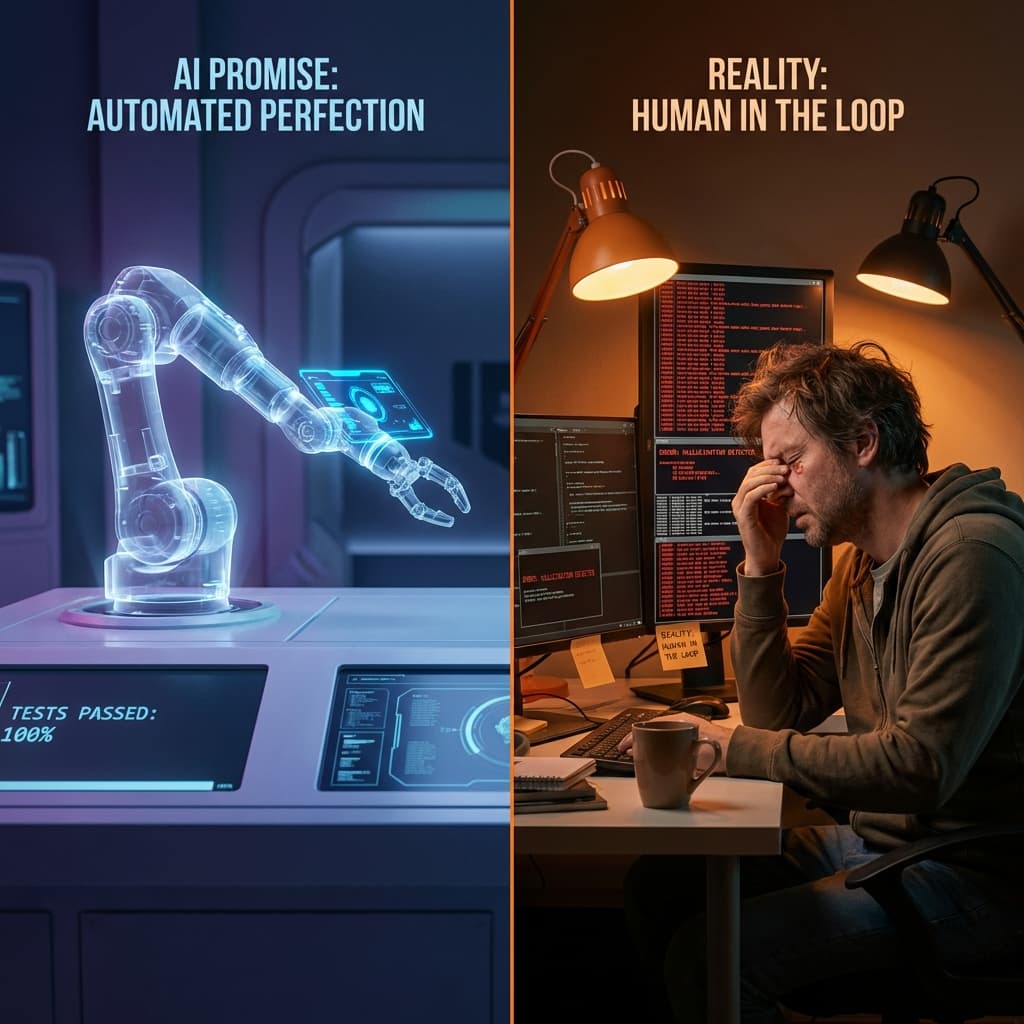
I fired my manual test scripts and hired an AI agent. Then I spent a month fixing its hallucinations. A brutally honest look at the state of AI in QA.
Zero Trust is reshaping cybersecurity architecture. Discover how this paradigm shift impacts software testing, from identity verification to micro-segmentation validation.
Netflix kills its own servers in production. Facebook simulates data center outages. Why are the worlds most reliable companies deliberately causing failures? Welcome to Chaos Engineering.
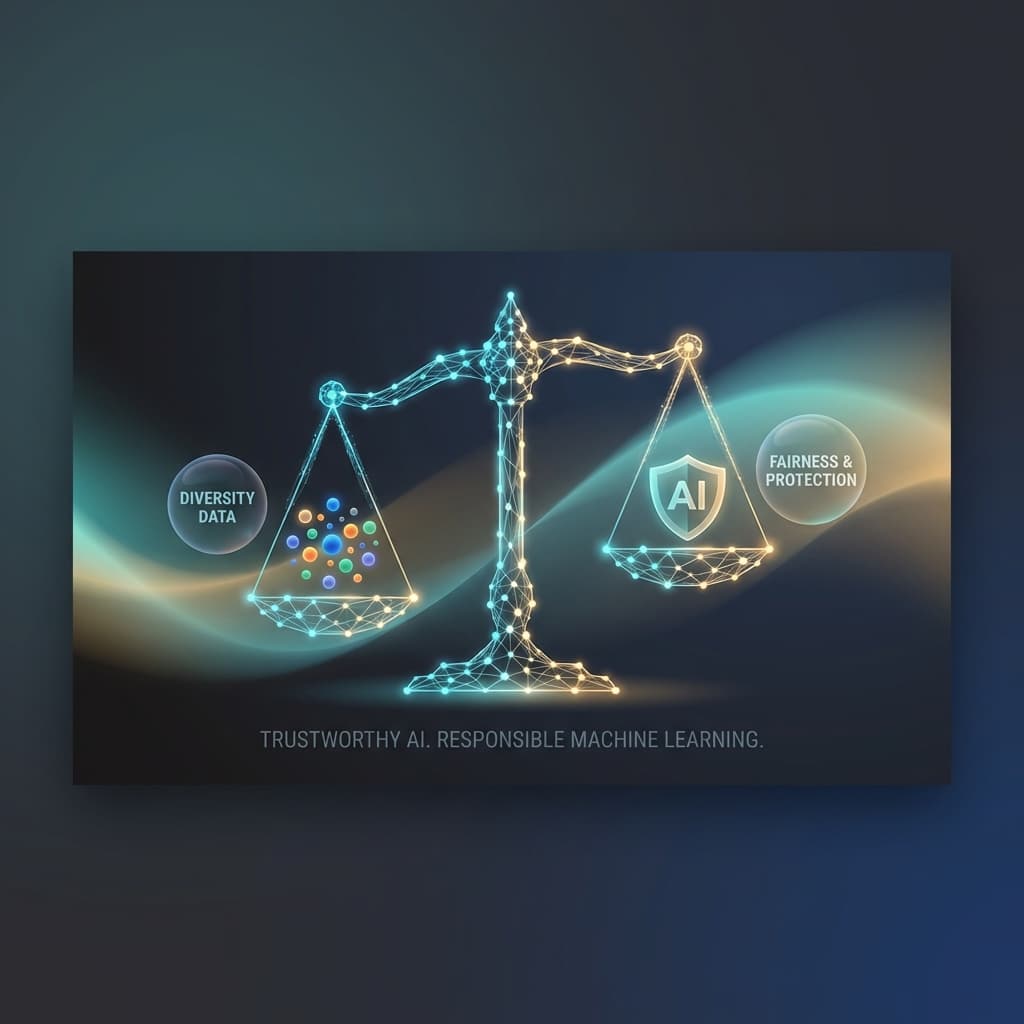
When an AI makes a biased decision, who is responsible? The developer, the data scientist, or the tester who signed off on it? A deep dive into QA new mandate.
A 3,000-word deep dive into the revolution of Autonomous AI Agents. Move beyond 'Record and Playback' to self-correcting, planning, and reasoning entities that redefine Quality Assurance.
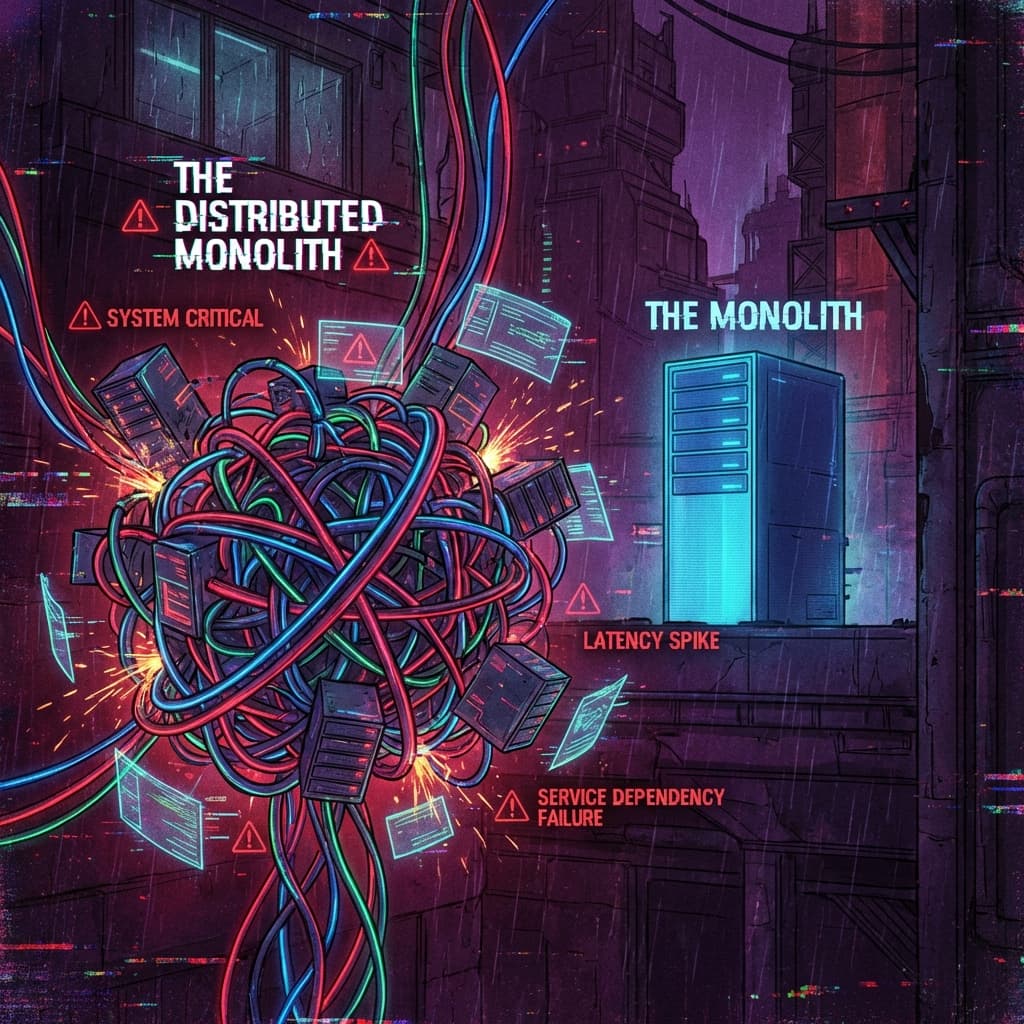
We broke our app into 40 services to 'move faster'. Instead, we created a tangled mess where every deployment required a prayer. A cautionary tale.
Learn how to dramatically reduce test execution time by running Appium and Selenium tests in parallel across multiple devices and browsers.
An in-depth analysis comparing Selenium and Playwright across performance, features, community support, and real-world use cases to help you choose the right automation framework.
Stop treating Quantum as sci-fi. A rigorous introduction to the physics, math, and code of quantum computing. Learn about Superposition, Entanglement, Shor's Algorithm, and the PQC migration.
We spent $5 watching o1-preview 'think' for 60 seconds about a React bug. It failed. Reasoning models are just 'Retries-as-a-Service'. Here IS why we aren't buying.

We had 100% code coverage. We had green builds. We had a CI pipeline that ran for 4 hours. And we still shipped a bug that deleted user data. Here is what went wrong.

Step-by-step guide to creating a type-safe, maintainable Selenium test framework using TypeScript, WebDriverIO, and modern testing practices.
We paid a consultant $15,000 to write prompts. Today, those prompts are a single button in Claude's native UI. The 'prompt engineering' gold rush is over. Here's what to hire for instead.

A startup pitched us their 10TB 'Data Moat'. Audit revealed 98% noise. When fine-tuned, the model got worse. Here is why uncurated data is toxic waste, not oil.

JavaScript has been the king of the web for 25 years. But a new challenger has emerged that promises native-speed performance in the browser. Welcome to the era of WebAssembly.

We spent $25k fine-tuning a model on medical data. It learned the jargon but forgot how to say 'Hello.' Here's why RAG beats fine-tuning 99% of the time.
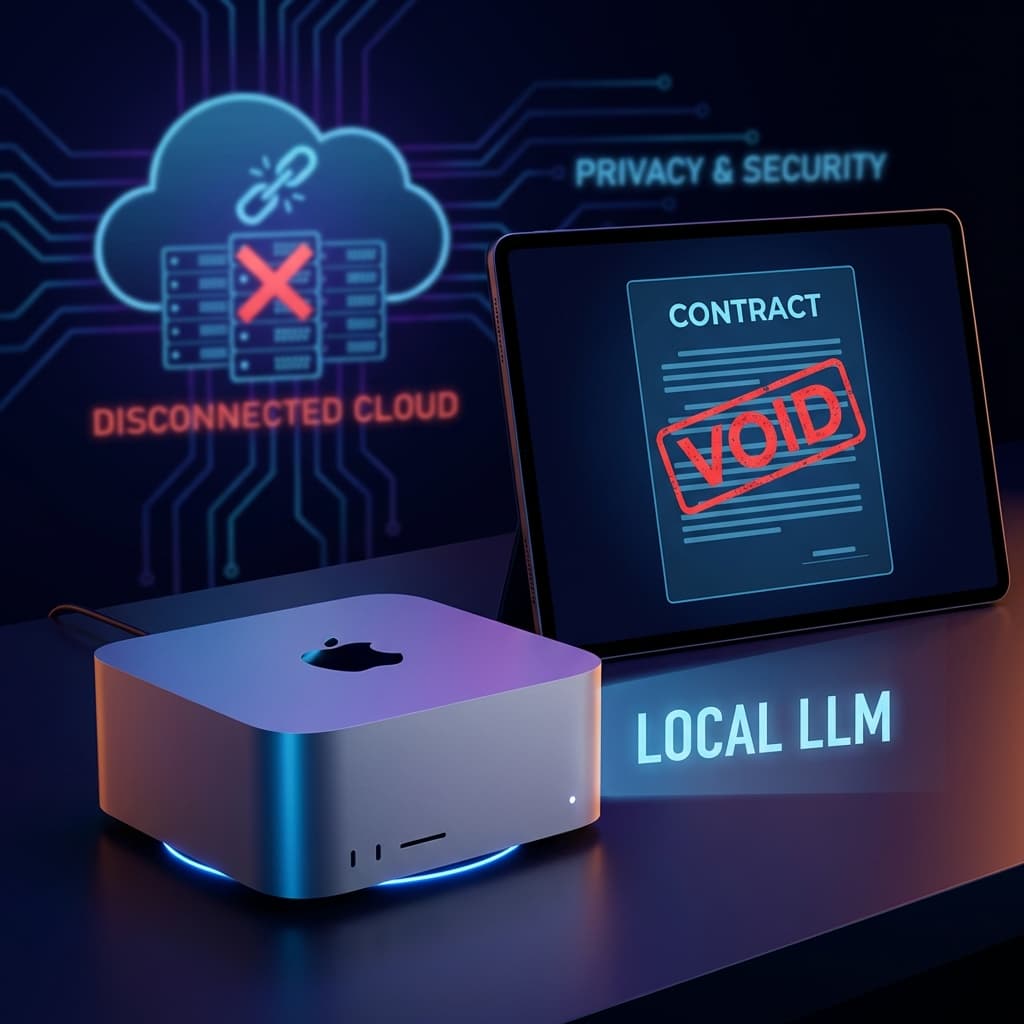
We were paying OpenAI $50,000 a year. We replaced it with a $2,000 Mac Studio running Llama-3. The quality is the same. The privacy is better. And the cost is zero.

We deleted our 5,000-line 'LoginPage.java'. It was a God Class that violated every SOLID principle. Here is why the industry standard 'Page Object Model' is actually a trap, and how the Screenplay Pattern saves you.

As quantum superiority moves from theory to reality, software testing faces its biggest paradigm shift. How do you test code that exists in multiple states at once?
Learn from the experiences of seasoned automation engineers and avoid the pitfalls that cause Appium test suites to become slow, flaky, and unmaintainable.
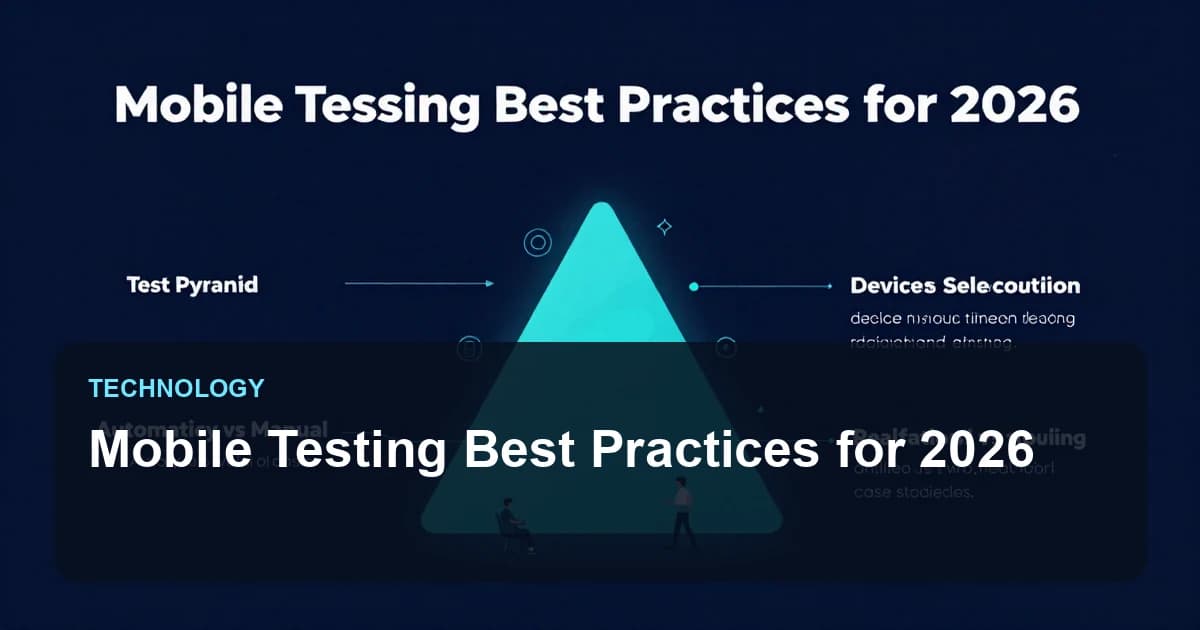
Comprehensive guide to mobile testing strategies. Covers test pyramid, device selection, automation vs manual testing, and real-world case studies.
Master distributed testing with Selenium Grid 4. Learn hub configuration, node management, Docker deployment, and scaling strategies.
Learn how to implement a robust Page Object Model pattern in your Appium test automation framework for maintainable and scalable mobile tests.
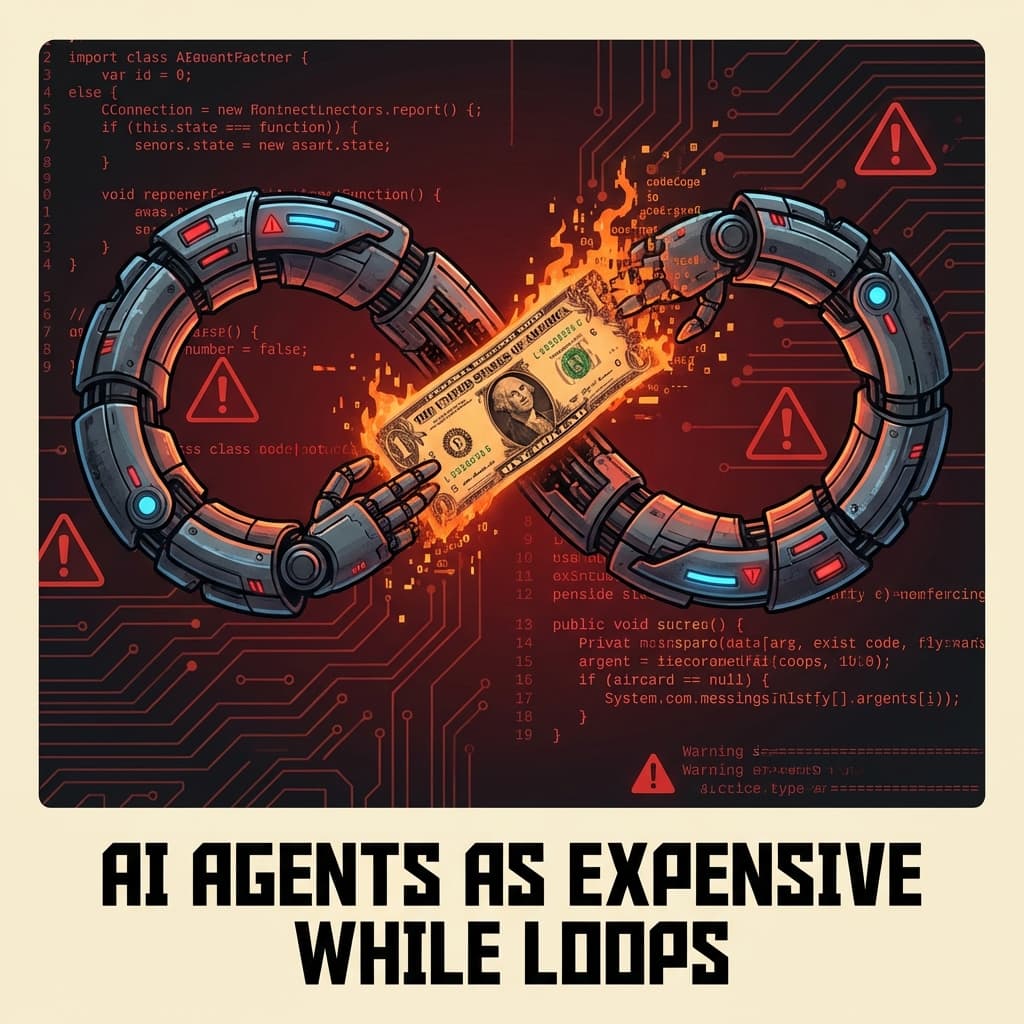
I woke up to a $4,000 loss because our 'Customer Success Agent' entered a refund loop. It interpreted silence as dissatisfaction and refunded the same user 140 times. Here's why probabilistic agents fail in deterministic worlds.
Master mobile test automation with Appium. From setup to advanced patterns, learn how to build robust test frameworks for iOS and Android.
Create a scalable Selenium testing framework in Python. Covers pytest integration, fixtures, reporting, and best practices for enterprise testing.
Master iOS app automation with Appium. Learn XCUITest driver configuration, simulator management, and building robust iOS test suites.
A comprehensive comparison between XQA and DemoQA for Selenium and automation testing practice. Discover which practice site offers more scenarios, better features, and a superior experience for QA engineers.
Complete Android automation guide with Appium. Learn UIAutomator2 driver, element strategies, gesture handling, and CI/CD integration.

We built a dedicated 'AI Team' (8 people, $2M/year). After 18 months, zero features shipped. We disbanded them. Here is why 'Centers of Excellence' are where AI goes to die.
Stop waking up to broken builds. A masterclass in implementing self-healing logic in Playwright, from basic try-catch recovery to advanced LLM-based selector repair.
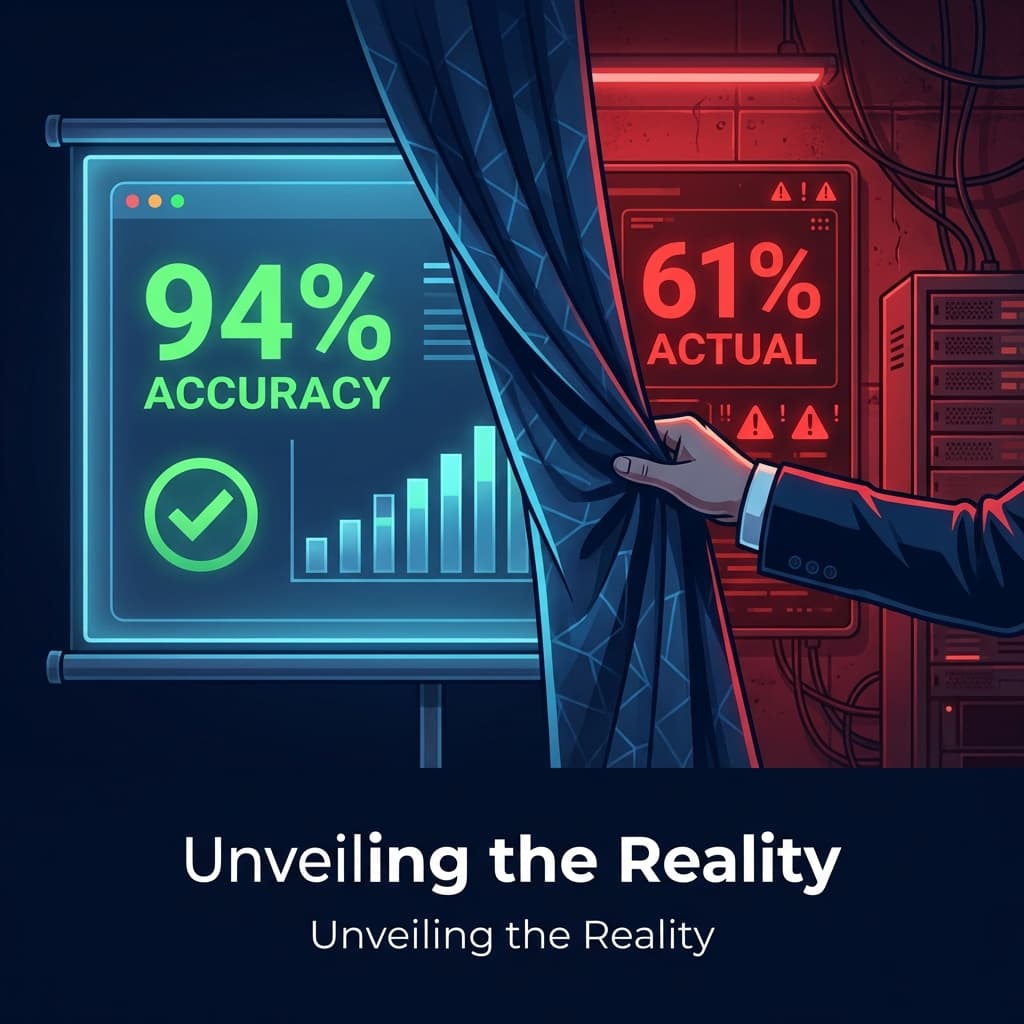
The demo was perfect. 94% accuracy. The board applauded. We signed a $200k contract. Then production hit—accuracy dropped to 61% in the first week. Here's what the demo didn't tell us.
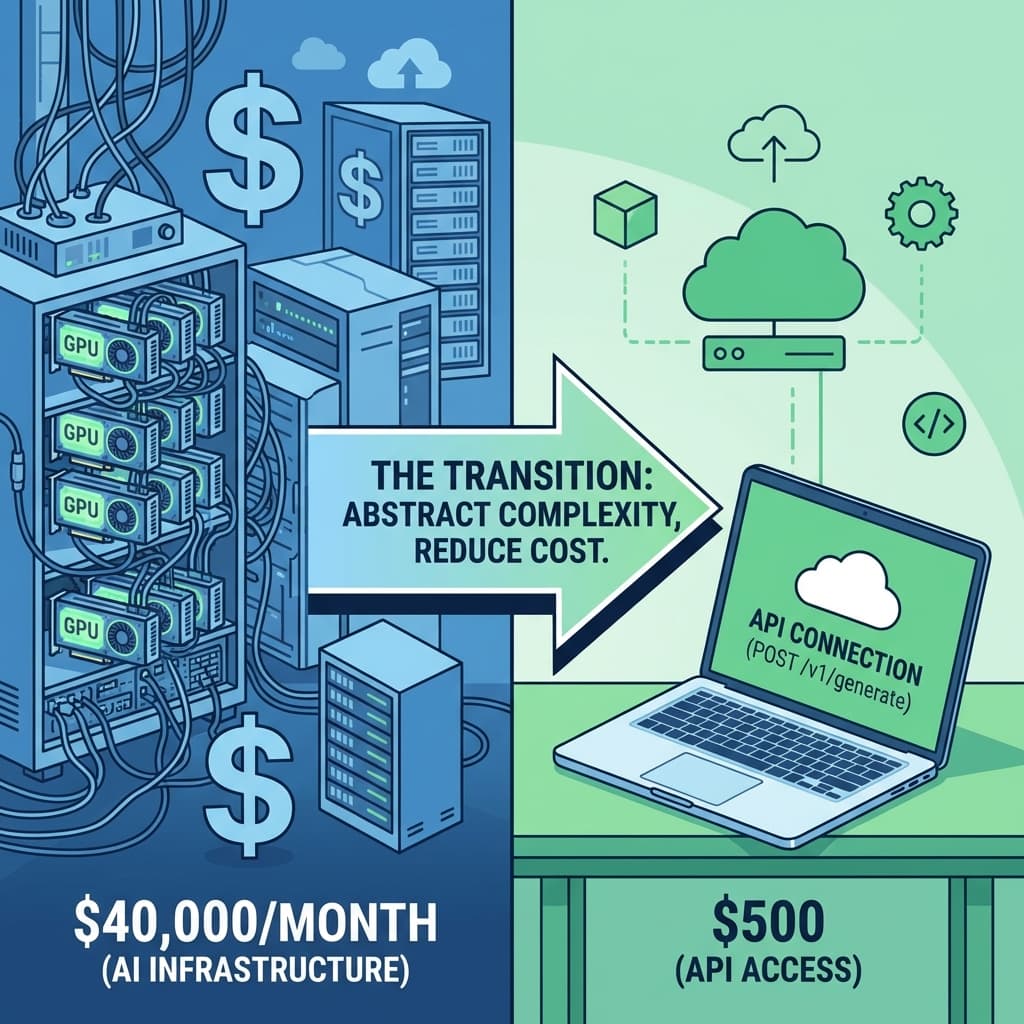
12 months ago, our AI stack looked impressive: self-hosted Llama models, custom vector databases, a dedicated ML engineer. Cost: $40,000/month. Then we ran an experiment. Same results. $500/month.
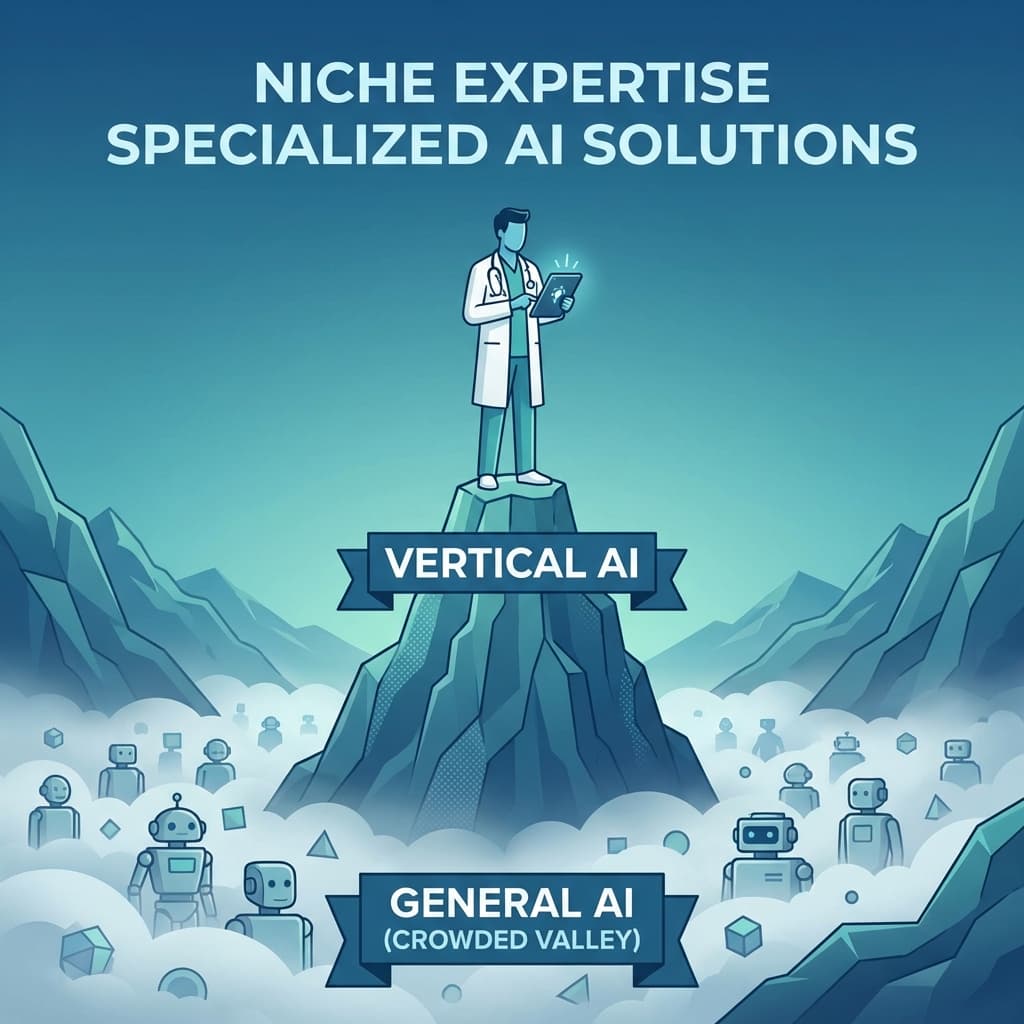
The battle for AGI is being fought by Titans (Google, OpenAI). You cannot win there. But the battle for 'Boring AI' is wide open. Here is why Vertical Integration is the only defensible moat left.

The prod DB locked up because a Junior Engineer merged a recursive SQL query suggested by AI. They didn't understand the code. We banned Copilot the next day. Here is why AI is destroying the apprenticeship model.

Our RAG-powered support bot had 50,000 conversations. Users rated 73% helpful. We audited 500 manually. Actual accuracy? 41%. Users rated fluency, not truth. Here's what we learned about RAG's hidden failures.

I built a document analysis tool with Claude's 100k context window. 'Just paste the entire 80-page contract.' It worked in demos. Then a client's contract buried a clause on page 62. Claude missed it. That bug cost us $15,000.

We audited our $12,000/year Real Device Cloud bill. We found that 99.5% of the bugs we caught could have been found on a free Simulator. Here is why the industry is lying to you about 'Device Fragmentation'.

We were paying $8,000/month to Pinecone for 50 queries/day. That is $5.33 per query. We switched to Context Caching with Gemini's 2M token window. Cost dropped to $50/month. Here is why RAG is obsolete.